


What we give you:
3D product rendering, where we transform 3D CAD models or drawings into photorealistic 2D images or animations. Think of this as a virtual photo studio, creating images of products that are photorealistic, with a high level of detail. But without the expense (or faff) of a photo shoot.
We work direct the clients, and also collaborate with many graphic design studios.

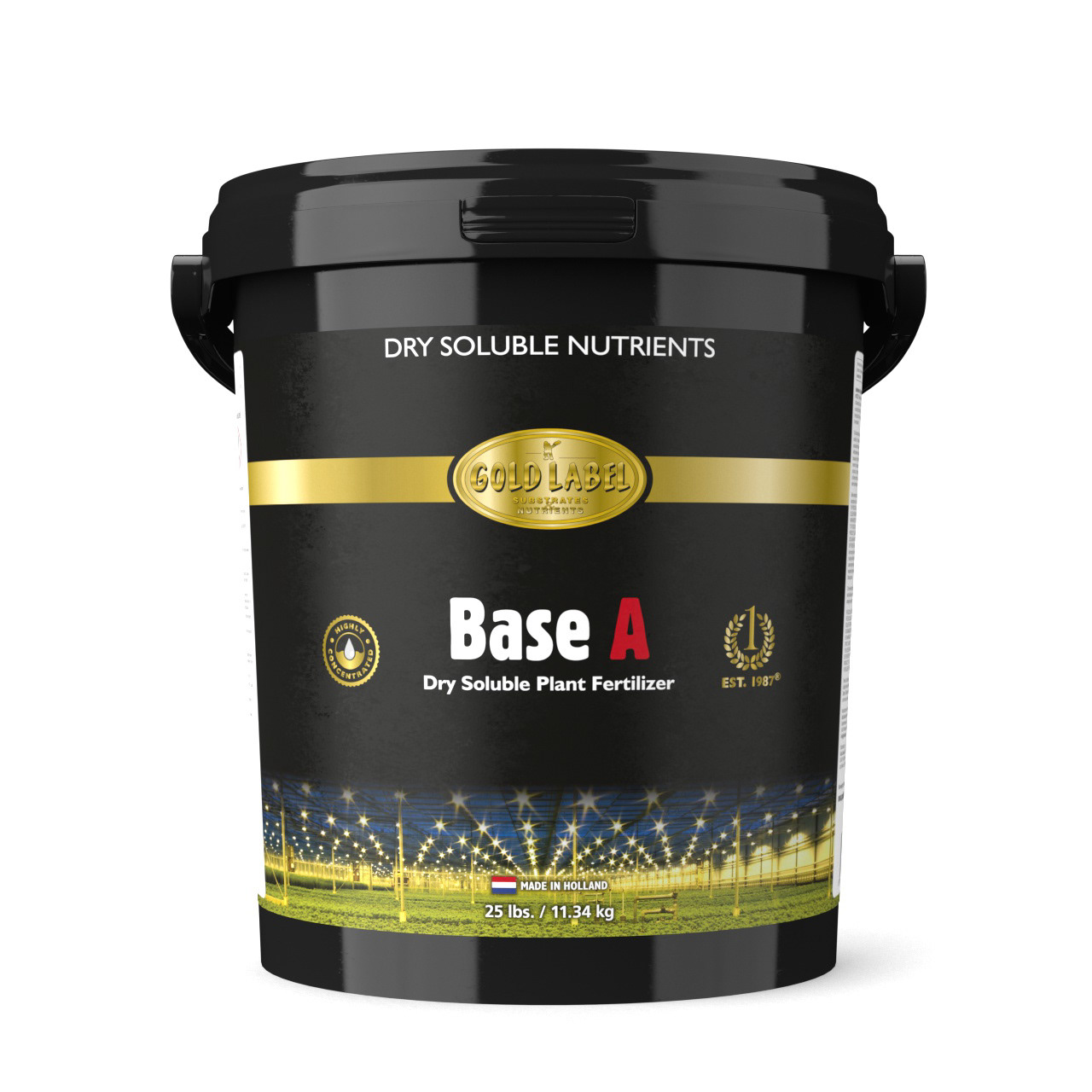

Why choose 3D over traditional photography for products?
Cost: If you've a lot of products to photograph, with a lot of variations, it's much more affordable to create them in 3D than with a traditional photoshoot.
Versatility: Once a 3D model is created, you can change colours, textures, viewpoint and lighting, in moments, without going back to the photographer's studio.
Background: 3D rendered products can be presented on the classic white studio background or on a transparent background for use in your graphic design. We can also place rendered products in naturalistic settings like a bathroom or a greenhouse or a factory (which we can also create in 3D).
Cut-Aways: If your USP is hidden from view, we can easily create cut-away images to let customers see what's happening inside or underground.
Animation: Any 3D product render we create as a still image can be easily animated, to create attention grabbing videos for Facebook, Instagram, LinkedIn or TikTok.
Pre-Launch: We even create 3D product renders for wholly new products at the design stage, so you're ready to launch with photorealistic images without waiting for manufacture to complete.


The 3D rendering process
Modelling: Building a precise digital representation of the product based on CAD files or reference photos.
Texturing: Applying materials (wood, metal, plastic) alongside surface imperfections like scratches and grain to ensure authentic photorealism.
Lighting & Camera Setup: Placing virtual lights and cameras to define the mood and composition, mirroring a real-world photography studio.
Rendering: The software combines and converts everything in the 3D scene into the 2D image or animation.
Post-Production: Refining colours, contrast, and effects in Photoshop or After Effects for a polished finish.

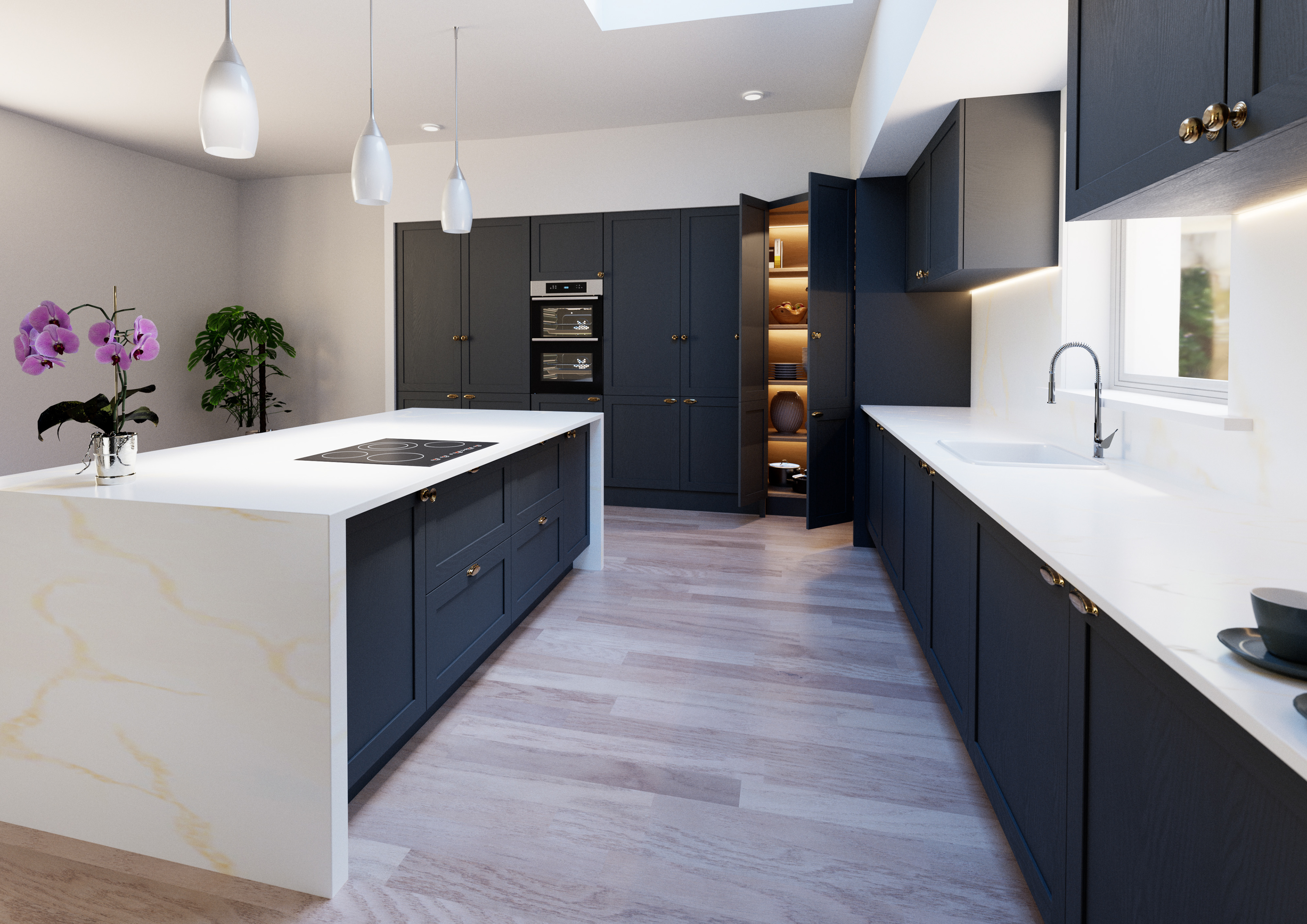


Cost and time estimates
Pricing and timelines depend on the complexity of the final image.
Simple. Bottles, cabinets, boxes: 2–6 Hours £160 – £480 +VAT
Moderate. Flat pack furniture: 5–15 Hours £400– £1200 +VAT
Complex/Hard. Machinery created from CAD file: 20–100 Hours £1600– £8000 +VAT
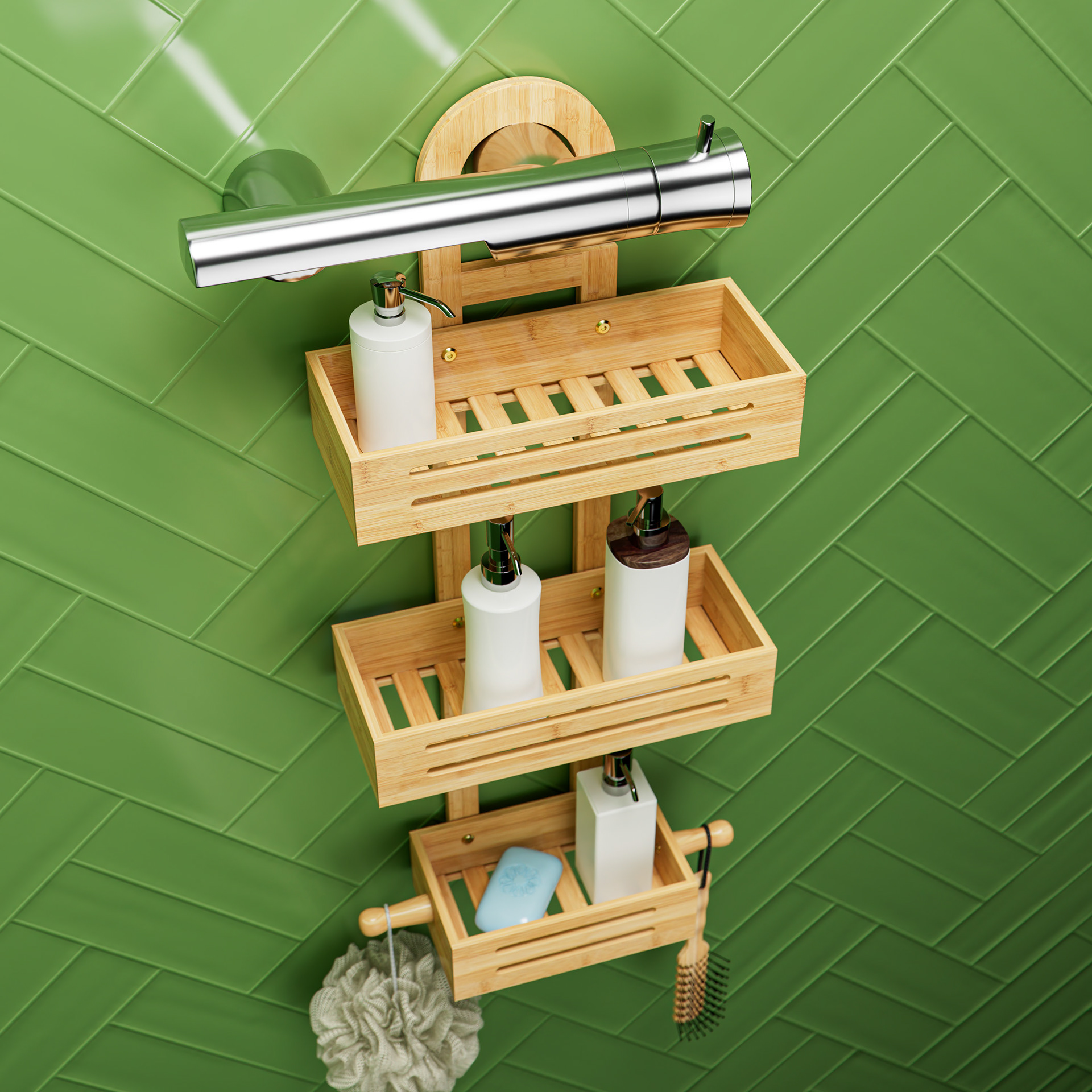


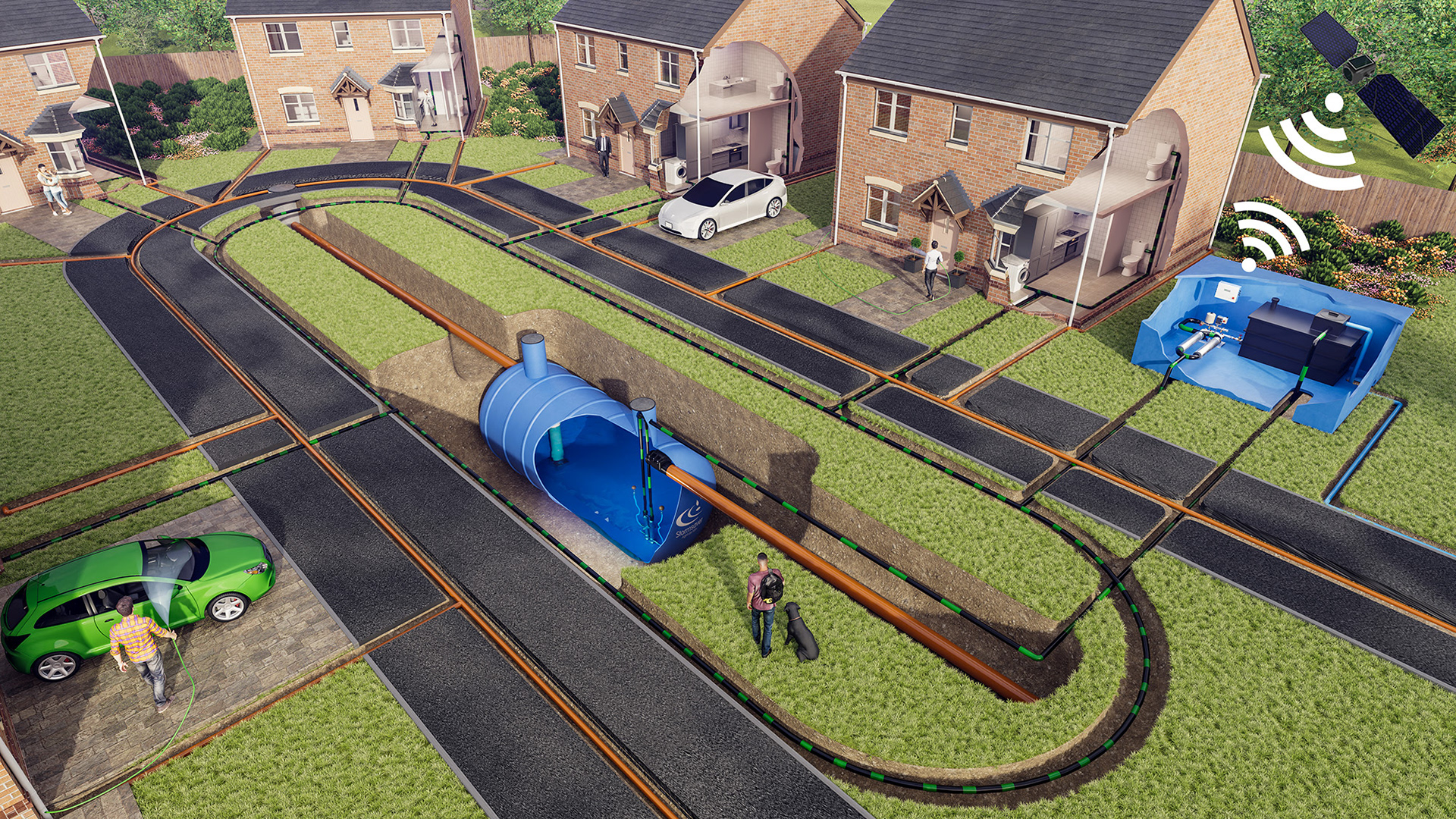

Industry examples
E-commerce: High-resolution product listings.
Furniture & Interior Design: Virtual staging to show products in photo-realistic settings.
Architecture: Visualising proposed designs and walkthroughs.
Manufacturing: Creating assembly instructions.
What we need from you
To produce an accurate render, we typically require:
Five or six photos from different angles. Technical drawings or CAD files (if available). Details on desired textures, materials, and lighting styles. The more references we have the better the end product will be.
Interested in our 3D product rendering? Call Ash on 01673 843852